Snail Applique Machine Embroidery Design Review
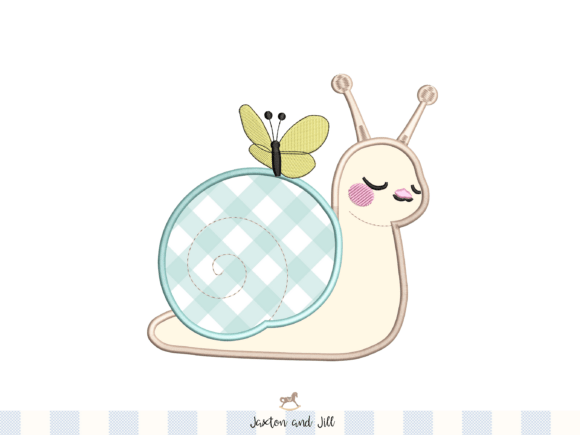
As a professional embroidery designer who has spent years refining machine embroidery design for commercial clients, I know that the difference between a generic decoration and a powerful brand asset often lies in the details. When evaluating a new file for small business merchandise, branded patches, or custom apparel, I look beyond simple aesthetics. I analyze stitch density, scalability, and how the visual personality aligns with a brand's identity. Recently, I reviewed the Snail Applique Machine Embroidery Design, a piece described as an enchanting display of nature s little wonders featuring an endearing butterfly perfectly poised on a classic gingham shell. This review breaks down how this specific embroidery file performs when applied to real-world business scenarios.
First Impressions: A Blend of Playful and Premium
The moment you open the digital preview of the Snail Applique Machine Embroidery Design, the visual personality is immediately clear. It strikes a balance between rustic charm and premium quality. The inclusion of a classic gingham shell suggests a handmade product aesthetic that resonates deeply with boutique owners, crafters, and Etsy sellers looking to establish a trustworthy, artisanal image. The addition of the butterfly adds a layer of whimsy without compromising professionalism.
This design feels versatile enough to serve as a primary logo accent or a subtle detail on a uniform. Unlike dense satin stitches that can feel stiff and heavy, the appliqué technique promises a softer, more tactile finish. For a small café, bakery, or florist, this design conveys warmth and approachability. It signals to the customer that the brand values craftsmanship. However, the playful nature means it might not be the best fit for high-end corporate uniforms where a minimalist, sleek look is required. It excels in the Nursery category but finds its true commercial power in lifestyle brands that want to highlight their handmade roots.
Real-World Application for Small Business Merch
When I tested the Snail Applique Machine Embroidery Design against various small business merch categories, several standout use cases emerged. The appliqué construction makes it ideal for creating durable embroidered patch options. These patches can be sewn onto staff aprons, adding a touch of personality to work shirts while maintaining a clean, professional appearance. The distinct texture of the gingham shell stands out beautifully against solid-colored fabrics, making it an excellent choice for apron embroidery in bakeries or coffee shops.
For tote bag design projects, this file offers a unique selling point. Totes are walking billboards, and a snail with a butterfly provides a memorable conversation starter. The design works well as a chest logo accent on caps, though care must be taken regarding the curvature of the hat. It also serves as a fantastic branded product add-on for packaging accents. Imagine a small batch of handmade soaps or candles where a tiny version of this design is stitched onto the fabric tag. It elevates the perceived value of the finished product and creates a cohesive visual language across all brand touchpoints.
In the realm of commercial embroidery, this design is particularly effective for event merch. Whether for a local craft fair, a children s charity run, or a seasonal market, the Snail Applique Machine Embroidery Design offers a friendly vibe that encourages customer engagement. It transforms standard items like caps and tote bags into collectible pieces that customers actually want to keep and wear.
Strategic Limitations and Placement Considerations
While the design is charming, every digital embroidery file has limitations that must be respected to ensure a professional result. The most critical factor is size. Appliqué designs rely on precise cutting and placement; if scaled down too much for a tiny patch or a cap front, the intricate details of the butterfly and the gingham pattern may become muddy or difficult to cut cleanly. I advise testing the design at your intended production size before committing to a full run.
Stitch density is another area requiring attention. High stitch counts can make the fabric stiff, which is undesirable for lightweight materials like linen or thin cotton tees. If the design is placed on dark uniforms, the contrast of the thread colors becomes paramount. You must verify that the chosen thread colors pop against the background fabric. Additionally, curved surfaces like the front of a baseball cap require careful hoop stabilization to prevent puckering. If the design is too large for the available hoop size, it will need to be split, which can compromise the integrity of the appliqué lines.
Furthermore, items that undergo frequent washing, such as daily work aprons, need robust stabilization. Without proper support, the appliqué edges may fray over time. The detailed outlines mentioned in the description suggest that the design requires a skilled operator to manage the tension correctly. If the stabilizer is insufficient, the fabric texture may distort, ruining the crisp look of the gingham shell.
Impact on Brand Identity and Customer Trust
In today s market, consumers crave authenticity. A poorly executed logo can damage brand identity and erode customer trust instantly. Conversely, a well-executed embroidery file communicates reliability and attention to detail. The Snail Applique Machine Embroidery Design contributes positively to brand identity by reinforcing a narrative of nature, slow living, and handcrafted quality. It helps build recognition among buyers who appreciate the "handmade" label.
Visual consistency is key to professional presentation. Using this design ensures that your design assets remain cohesive across different products, from a large tote bag to a small product label. When customers see a consistent, high-quality application of the design, they perceive higher value in the products themselves. It turns a simple garment into a branded experience. This visual consistency fosters buyer engagement, encouraging repeat purchases and word-of-mouth referrals.
Essential Designer Notes for Production
Before integrating the Snail Applique Machine Embroidery Design into your production line, there are several technical steps you must take. First, always create a printable mockup for client approval. Seeing the design on a flat surface versus a 3D garment can reveal issues with spacing or scale that are not obvious in the software. Test the design in black and white first to ensure the composition holds up without relying on color contrast.
Review the stitch density within the file. If the density seems too high for the fabric you plan to use, consider adjusting the underlay or simplifying the design. Confirm the hoop size requirements to ensure your machine can accommodate the design dimensions without needing multiple hoops, which can lead to registration errors. Always test on real fabric rather than just stabilizer to check how the fabric texture interacts with the appliqué layers.
Ensure you use the proper stabilizer for the specific material, whether it is a stable knit for caps or a woven fabric for tote bags. Compare this design beside other design assets in your library to ensure it matches the weight and style of your existing branding. Finally, confirm the commercial licensing terms before using the file for any business purposes. While the description highlights the artistic elements, it does not specify exact stitch counts, file formats, or license restrictions. You must verify these technical specifications directly with the provider to avoid production delays.
By following these guidelines, the Snail Applique Machine Embroidery Design can become a cornerstone of your custom apparel offerings. It offers a unique blend of nature-inspired charm and professional execution that is perfect for small businesses aiming to stand out in a crowded marketplace.