Creamy Waldorf Salad Embroidery Design Review
As an experienced embroidery designer who has spent years refining designs for commercial applications, I know that choosing the right machine embroidery design is about more than just aesthetics. It is a strategic decision that impacts your brand identity, production costs, and customer perception. When evaluating a new asset like the Creamy Waldorf Salad Embroidery Design, we must look past the initial charm and analyze its viability for real-world business use.
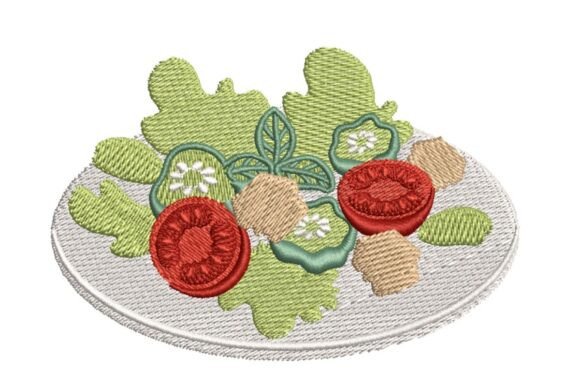
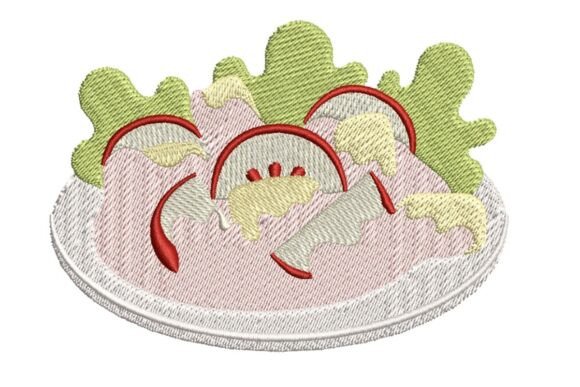
This appetizing embroidery file features a stylized serving of Waldorf salad, presented on a white, textured oval plate. The main body of the salad is a textured light pink, suggesting a creamy dressing. While this description paints a vivid picture of a delightful food illustration, my review focuses on how this specific design translates into tangible assets for small business owners, Etsy sellers, and apparel decorators.
First Impressions: Visual Personality and Brand Fit
The Creamy Waldorf Salad Embroidery Design immediately strikes me as friendly, rustic, and approachable. The choice of a textured light pink for the salad body suggests a soft, homemade quality rather than a sleek, corporate aesthetic. This visual personality makes it an excellent candidate for brands that want to project warmth and authenticity.
For a bakery, a boutique café, or a handmade product shop, this design feels premium yet accessible. It avoids the sterile look of vector graphics by incorporating texture, which is crucial in embroidery. The inclusion of a white, textured oval plate adds a layer of sophistication, framing the subject matter perfectly. However, if your brand aims for a minimalist or high-fashion edge, this playful food motif might feel too casual. For businesses rooted in comfort, community, and artisanal values, however, this design aligns beautifully with their core message.
Real-World Applications for Small Business Merch
In my experience, the versatility of a design like the Creamy Waldorf Salad Embroidery Design determines its value as a commercial embroidery asset. Let us explore where this design shines when applied to various merchandise categories.
- Embroidered Patches: This design is ideal for creating custom patches. The defined shapes of the plate and the salad components allow for clean edges, making it perfect for iron-on or sew-on patches. A small patch featuring this design could serve as a signature mark on the pocket of a chef's jacket or the strap of a tote bag.
- Staff Uniforms and Aprons: Imagine a staff member at a farm-to-table restaurant wearing an apron embroidered with this design. It instantly communicates the menu specialty without needing text. The light pink thread colors would pop against dark denim or black canvas uniforms, creating a striking visual accent.
- Tote Bag Designs: For crafters selling goods at markets, a tote bag featuring the Creamy Waldorf Salad Embroidery Design acts as a walking advertisement. The oval shape fits well within the standard hoop area of a tote bag, offering a balanced composition that looks professional when carried by customers.
- Cap Embroidery: The curved surface of a cap requires careful consideration. If the design is scaled down appropriately, the central image of the salad can sit neatly on the front panel. It serves as a subtle nod to the brand's culinary focus, appealing to foodies and local patrons alike.
- Product Packaging Accents: Beyond apparel, this design can be used on product labels or hang tags. Adding a small version of the design to packaging for baked goods or gift baskets elevates the unboxing experience, signaling attention to detail and quality.
Strategic Considerations and Potential Pitfalls
While the potential is high, every digital embroidery file comes with technical constraints that must be managed. As a designer, I advise caution in several areas before committing to a large production run.
Small Patch Sizes: If you plan to produce patches smaller than two inches, the details of the salad texture and the plate rim may become muddy. High stitch density is often required to create that "creamy" look, but at very small scales, these stitches can bunch up, distorting the image. Always test your smallest intended size first.
Curved Surfaces and Caps: Embroidering on a curved cap front can stretch the fabric, altering the proportions of the oval plate. You may need to adjust the digitization or use a specialized cap hoop to ensure the design remains symmetrical.
Fabric Texture and Color: The description notes a white plate and light pink salad. On dark uniforms, these colors will not show unless you add a heavy underlay or change the thread palette entirely. Furthermore, on highly textured fabrics like raw denim or bouclé, the fine details of the salad texture might get lost. Ensure your fabric texture complements the level of detail in the design.
Wash Durability: Textured designs with many satin stitches can sometimes snag if not stabilized correctly. For items that require frequent washing, such as work shirts or aprons, verify that the stitch density is sufficient to hold the shape over time without pilling.
Impact on Brand Identity and Customer Trust
Choosing the Creamy Waldorf Salad Embroidery Design sends a clear message to your audience. It tells them that you value craftsmanship and are not afraid to embrace a specific theme. In the crowded marketplace of Etsy sellers and merch creators, having a consistent visual language builds trust.
When a customer sees a professionally executed embroidered patch on a high-quality tote bag, they perceive higher value in the product. The tactile nature of embroidery creates a connection that printed graphics cannot match. By using this design consistently across your small business merch, you reinforce recognition. Whether it is on a sleeve detail or a chest logo accent, the design becomes a symbol of your brand's commitment to quality.
However, consistency is key. Do not mix this whimsical food design with overly serious or abstract branding elements. Keep your brand identity cohesive so that the Creamy Waldorf Salad Embroidery Design feels like a natural extension of your story rather than a random decoration.
Practical Designer Notes for Production
Before you finalize any orders involving this embroidery file, follow these essential steps to ensure a flawless finished product.
- Test in Black and White: Convert the design to monochrome to check the contrast and spacing. This helps identify if the design relies too heavily on color gradients that might not translate well in thread.
- Check Stitch Density: Review the density settings. Too much density can make the fabric stiff and cause puckering, while too little can leave gaps. The creamy texture described needs a balance of fill stitches.
- Inspect Spacing: Ensure there is enough negative space around the oval plate for the stabilizer to grip the fabric effectively.
- Confirm Hoop Size: Verify that the design dimensions fit within your available hoop size for the specific item you are embroidering, especially for caps and sleeves.
- Use Proper Stabilizer: For items like aprons or tote bags, use a cut-away stabilizer to prevent distortion during wear and washing.
- Create a Mockup: Before sending files to production, generate a printable mockup to show clients what the final result will look like on different backgrounds.
- Verify Licensing: Confirm the commercial licensing terms. Ensure you have the right to sell products featuring the Creamy Waldorf Salad Embroidery Design.
The Creamy Waldorf Salad Embroidery Design offers a charming and versatile option for those looking to elevate their custom apparel and branded goods. By understanding its strengths and respecting its technical limitations, you can turn a simple food illustration into a powerful tool for your business growth.